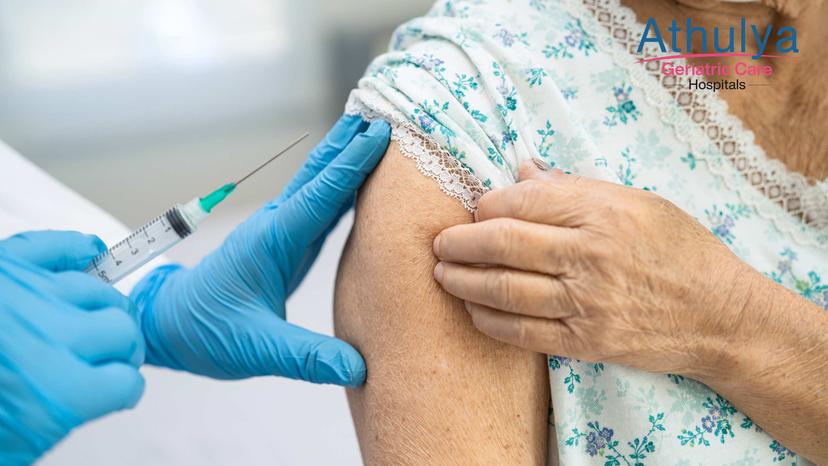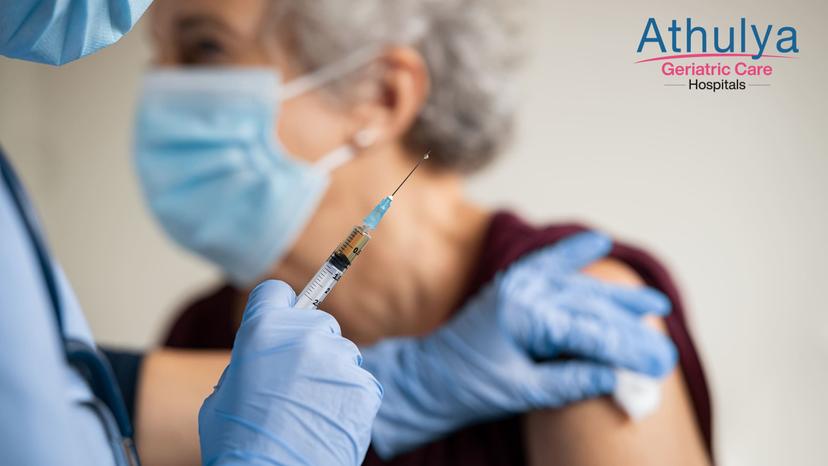
Preventing infections becomes an important part of healthcare in later life, particularly for seniors managing existing medical conditions or age-related health changes. Existing health conditions, multiple medications and previous illnesses can further influence their healthcare needs. This makes preventive healthcare an important part of healthy ageing. One essential aspect that should not be overlooked is vaccination history during a geriatric health assessment.
At Athulya Geriatric Care Hospitals, understanding an older adult’s medical history is an important step towards supporting their overall health and well-being. Reviewing vaccination records helps healthcare professionals identify potential gaps in protection and determine whether additional vaccines or booster doses may be needed.
Why Is Vaccination History Important for Seniors?
A vaccination history provides information about the vaccines a person has received and when they were administered. During a geriatric health assessment, this information helps doctors evaluate an older adult’s preventive healthcare needs alongside existing medical conditions and lifestyle factors.
Vaccination history is particularly important for seniors because certain infections can lead to serious complications, prolonged recovery or hospitalization. Reviewing previous doses can help healthcare professionals determine whether recommended vaccinations are up to date.
How Does Vaccination History Support Geriatric Health Assessments?
Including vaccination records in routine assessments helps healthcare professionals make more informed decisions about senior care.
- Identifying missed vaccines: Helps doctors recognize gaps in recommended immunisations.
- Reviewing booster requirements: Determines whether additional doses may be needed based on previous vaccinations and current guidelines.
- Considering chronic conditions: Helps assess vaccination needs for seniors living with diabetes, heart disease or respiratory disorders.
- Supporting preventive care: Allows vaccination to be considered alongside regular health screenings and chronic disease management.
- Improving care coordination: Helps maintain a more complete medical record when multiple healthcare professionals are involved.
Which Vaccines Should Be Reviewed During a Senior Health Assessment?
The vaccines that may need review depend on age, medical history, previous doses and individual risk factors. Common vaccines to discuss with a healthcare professional include:
- Influenza vaccine: Generally recommended annually to help protect against seasonal flu.
- Pneumococcal vaccine: Helps protect against certain bacterial infections, including some forms of pneumonia.
- Shingles vaccine: Helps reduce the risk of shingles and its complications.
- Tetanus-containing vaccines: Booster requirements depend on vaccination history and clinical guidance.
- COVID-19 vaccine: Additional doses may be appropriate depending on current recommendations and individual risk.
Other vaccines, such as hepatitis B or RSV vaccines, may also be considered for eligible seniors. A doctor can recommend appropriate vaccinations according to current guidelines and individual health needs.
Also Read: Sleep and Diabetes in Older Adults: Is There a Connection?
What If a Senior Has No Vaccination Records?
Many older adults may not have complete vaccination records, particularly if they received vaccines several years ago or through different healthcare providers. Missing records do not necessarily mean that vaccinations were never administered.
During a geriatric health assessment, the doctor may review available medical documents, consult previous healthcare providers where possible and assess which vaccines may be required. Depending on the vaccine and circumstances, catch-up vaccination or other steps may be recommended.
Seniors and caregivers can help by bringing previous medical records, prescription details and any available vaccination certificates to appointments.
How Athulya Geriatric Care Hospitals Supports Preventive Healthcare
Athulya Geriatric Care Hospitals focuses on the evolving healthcare needs of older adults through a geriatric-centred approach. Reviewing vaccination history alongside existing conditions, medications and overall health can help healthcare professionals develop a more comprehensive preventive care plan.
Regular geriatric health assessments provide an opportunity for seniors and their families to discuss immunisation needs, understand recommended screenings and address age-related health concerns. This proactive approach supports informed healthcare decisions and helps families plan for their loved ones’ long-term well-being.
Conclusion
Vaccination history is an important component of a comprehensive geriatric health assessment. By reviewing previous doses and identifying potential gaps, healthcare professionals can help seniors make informed decisions about infection prevention. With regular assessments and appropriate medical guidance at Athulya Geriatric Care Hospitals, older adults and their families can take proactive steps towards healthier ageing.
Frequently Asked Questions
1. What should seniors do if their vaccination records are missing?
They should inform their doctor, provide any available medical records and discuss an appropriate vaccination plan.
2. How often should seniors review their vaccination history?
It is useful to review vaccination records during routine medical check-ups and whenever health circumstances or recommendations change.
3. Why should vaccination history be checked during a geriatric health assessment?
It helps identify missed vaccines, review booster requirements and guide preventive healthcare decisions.
4. What information should seniors bring to a geriatric health assessment?
Seniors should bring available vaccination records, previous medical reports, a list of current medications and details of existing health conditions.
5. Can seniors receive vaccines while taking multiple medications?
Many seniors can be vaccinated while taking regular medications. However, doctors should review their medicines and medical conditions to determine the appropriate vaccines and timing.