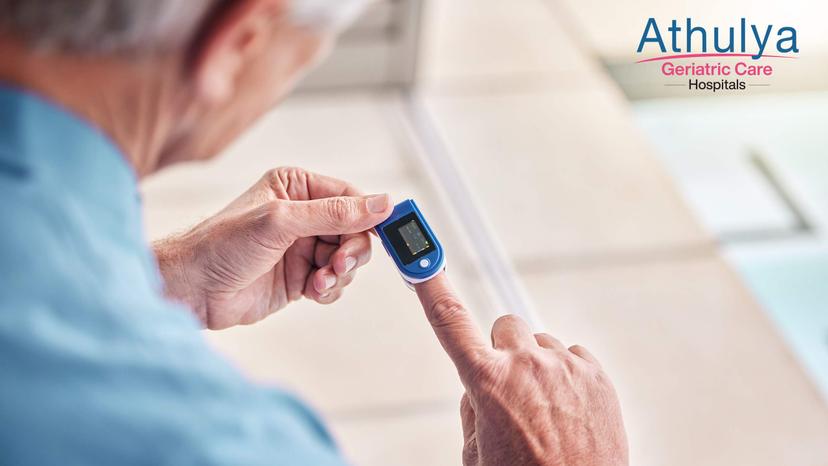
Fever is a common sign of infection, but for older adults living with diabetes, even a short illness can make blood sugar levels harder to manage. Infections may cause glucose levels to rise, while reduced appetite, dehydration and certain diabetes medications can increase the risk of low blood sugar. These changes can be particularly concerning for seniors with other medical conditions.
Understanding the connection between fever and diabetes in seniors helps families recognise warning signs and respond appropriately. At Athulya Geriatric Care Hospitals, preventive healthcare and individualised medical guidance play an important role in helping older adults manage diabetes during illness.
How Does Fever Affect Blood Sugar Levels?
Fever can also increase fluid loss through sweating and faster breathing. Dehydration may further affect blood glucose levels and place additional strain on the kidneys, especially in older adults with existing health conditions.
However, blood sugar does not always rise during an illness. Seniors who eat less than usual while continuing certain diabetes medications may develop hypoglycemia, or low blood sugar. This makes regular monitoring essential during a fever.
Why Is Blood Sugar Monitoring Important During Fever?
Monitoring blood glucose helps seniors and caregivers understand how an illness is affecting diabetes management. It can also help identify changes that require medical advice.
Regular monitoring during fever is important for several reasons:
- Detecting high blood sugar: Infection can cause glucose levels to rise above the individual’s usual range.
- Identifying low blood sugar: Poor appetite, missed meals and some medications can trigger hypoglycemia.
- Recognising dehydration risks: High glucose levels and fever can increase fluid loss.
- Guiding treatment decisions: Readings help healthcare professionals determine whether the existing care plan needs adjustment.
- Preventing complications: Timely action may reduce the risk of severe glucose disturbances and other illness-related complications.
During an illness, the treating doctor may recommend checking blood glucose more frequently than usual, sometimes every four hours. The appropriate frequency depends on the senior’s condition, treatment and medical advice.
Signs of High and Low Blood Sugar to Watch For
Recognising symptoms can help caregivers respond quickly, although symptoms alone cannot reliably determine whether glucose is high or low.
Possible signs of high blood sugar include:
- Increased thirst and frequent urination
- Dry mouth and signs of dehydration
- Unusual tiredness or weakness
- Blurred vision
Possible signs of low blood sugar include:
- Sweating, trembling or sudden hunger
- Dizziness or unusual irritability
- Confusion or difficulty concentrating
- Weakness or changes in behaviour
In older adults, confusion or unusual drowsiness may be the first noticeable sign of a serious problem. These symptoms should not automatically be attributed to ageing or fever. Check blood glucose if possible and seek appropriate medical advice.
How Can Seniors with Diabetes Manage Fever Safely?
A clear sick-day plan can help seniors and caregivers manage diabetes more safely during an illness.
1. Monitor Blood Sugar Regularly
Follow the monitoring schedule advised by the treating doctor and record the readings, symptoms and medicines taken. Contact the healthcare team if glucose levels remain outside the recommended range.
2. Maintain Adequate Fluid Intake
Offer water and other suitable fluids regularly, unless the doctor has prescribed fluid restriction because of heart or kidney disease. Persistent vomiting or an inability to drink enough requires prompt medical assessment.
3. Continue Eating as Tolerated
Small, regular meals may be easier to manage when appetite is reduced. If the senior cannot eat normally, seek medical advice about suitable alternatives and medication adjustments.
Also Read: Vaccines Every Senior Should Know About
4. Follow Medication Instructions Carefully
Do not stop insulin or change diabetes medicines independently. Some medicines may need temporary adjustment during dehydration, reduced food intake or acute illness. Ask the treating doctor for specific sick-day instructions, particularly if the senior uses insulin or medicines that can increase the risk of dehydration or low blood sugar.
5. Rest and Monitor Symptoms
Allow adequate rest and keep track of temperature, fluid intake, glucose readings and changes in alertness. Contact a healthcare professional if the fever persists, symptoms worsen or the senior is not improving as expected.
6. Check for Ketones When Indicated
Seniors with type 1 diabetes or those at risk of diabetic ketoacidosis (DKA) should check blood or urine ketones during illness, particularly when blood sugar levels are elevated. Contact a healthcare professional if ketones are detected.
7. Watch for Signs of Hyperglycemic Emergencies
Severe hyperglycemia during an infection can lead to diabetic ketoacidosis (DKA) or hyperosmolar hyperglycemic state (HHS). Older adults with type 2 diabetes are particularly vulnerable to HHS, which can cause severe dehydration, extreme thirst, frequent urination, weakness and altered mental status. DKA may present with nausea, vomiting, abdominal pain and deep or rapid breathing. These symptoms require immediate medical assessment.
When Should Seniors Seek Medical Help?
Older adults with diabetes may develop complications more quickly during an infection. Contact a healthcare professional promptly if the fever persists, blood glucose readings remain unusually high or low, or the senior struggles to eat or drink.
Seek emergency medical attention for severe breathlessness, chest pain, significant confusion, reduced responsiveness, persistent vomiting, severe dehydration or other signs of serious illness. Very high glucose levels accompanied by vomiting, abdominal pain, deep or rapid breathing, or marked drowsiness may indicate a medical emergency.
Do not delay care while waiting for glucose readings to improve if the senior appears seriously unwell.
Supporting Diabetes Care During Illness
Managing diabetes during fever requires attention to infection symptoms, hydration, nutrition, medications and blood glucose patterns. Older adults may need additional support if they have limited mobility, memory difficulties or multiple chronic conditions.
At Athulya Geriatric Care Hospitals, a geriatric-focused approach considers the individual’s health conditions and care needs when supporting diabetes management. Regular medical reviews and timely assessment of new symptoms can help seniors and families make informed decisions during illness.
With appropriate monitoring, a clear sick-day plan and timely medical guidance, seniors and caregivers can respond more effectively to changes in blood sugar and reduce the risk of avoidable complications.
Medical Disclaimer:
This article is intended for general educational purposes and should not replace professional medical advice, diagnosis or treatment. Please consult a qualified healthcare professional for individualised medical guidance.
MBBS, F.Diab, CCGDM, CCEBDM, CCIGC
Frequently Asked Questions
1. Can fever increase blood sugar levels in seniors with diabetes?
Yes. Infection and fever can trigger the release of stress hormones that raise blood glucose levels, even when the senior is following their usual diabetes routine.
2. Should seniors stop taking diabetes medication when they have a fever?
No. They should not stop or adjust medication without medical guidance.
3. When is fever dangerous for an older adult with diabetes?
Fever needs prompt medical attention if it persists, symptoms worsen, glucose levels remain outside the recommended range or the senior cannot maintain fluid intake.
4. Can an infection cause unusually high blood sugar even if medication is taken correctly?
Yes. The body’s response to infection can raise glucose levels despite usual treatment. Persistent high readings should be discussed with the treating healthcare professional.
5. How often should seniors with diabetes check blood sugar during a fever?
The treating doctor may recommend more frequent checks, sometimes every four hours during illness. The schedule depends on the senior’s medicines, glucose levels and overall health.