Recovering from an illness often involves rest, medication and follow-up medical care. For older adults, this period also presents an opportunity to review preventive healthcare needs, including vaccinations. However, many families wonder whether vaccination during recovery from an illness is safe or whether it should be postponed until the senior has fully recovered.
The answer depends on the severity of the illness, current symptoms, the type of vaccine and the individual’s overall health. At Athulya Geriatric Care Hospitals, understanding these factors is important when planning preventive healthcare for seniors and supporting their recovery.
Can Seniors Get Vaccinated While Recovering from an Illness?
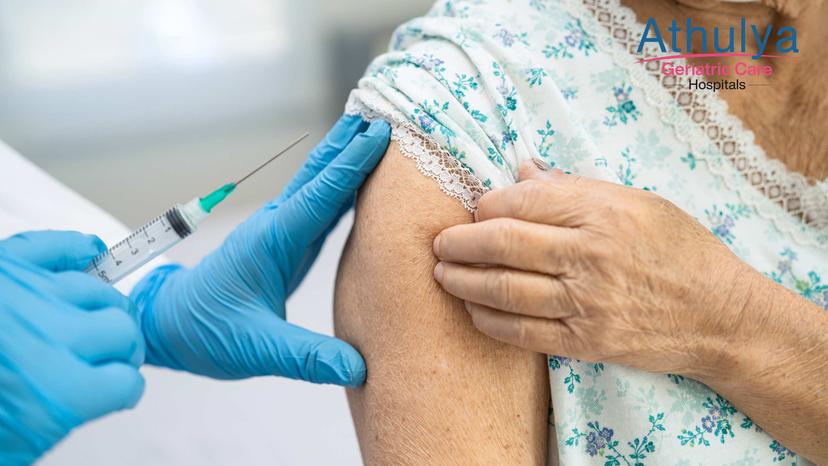
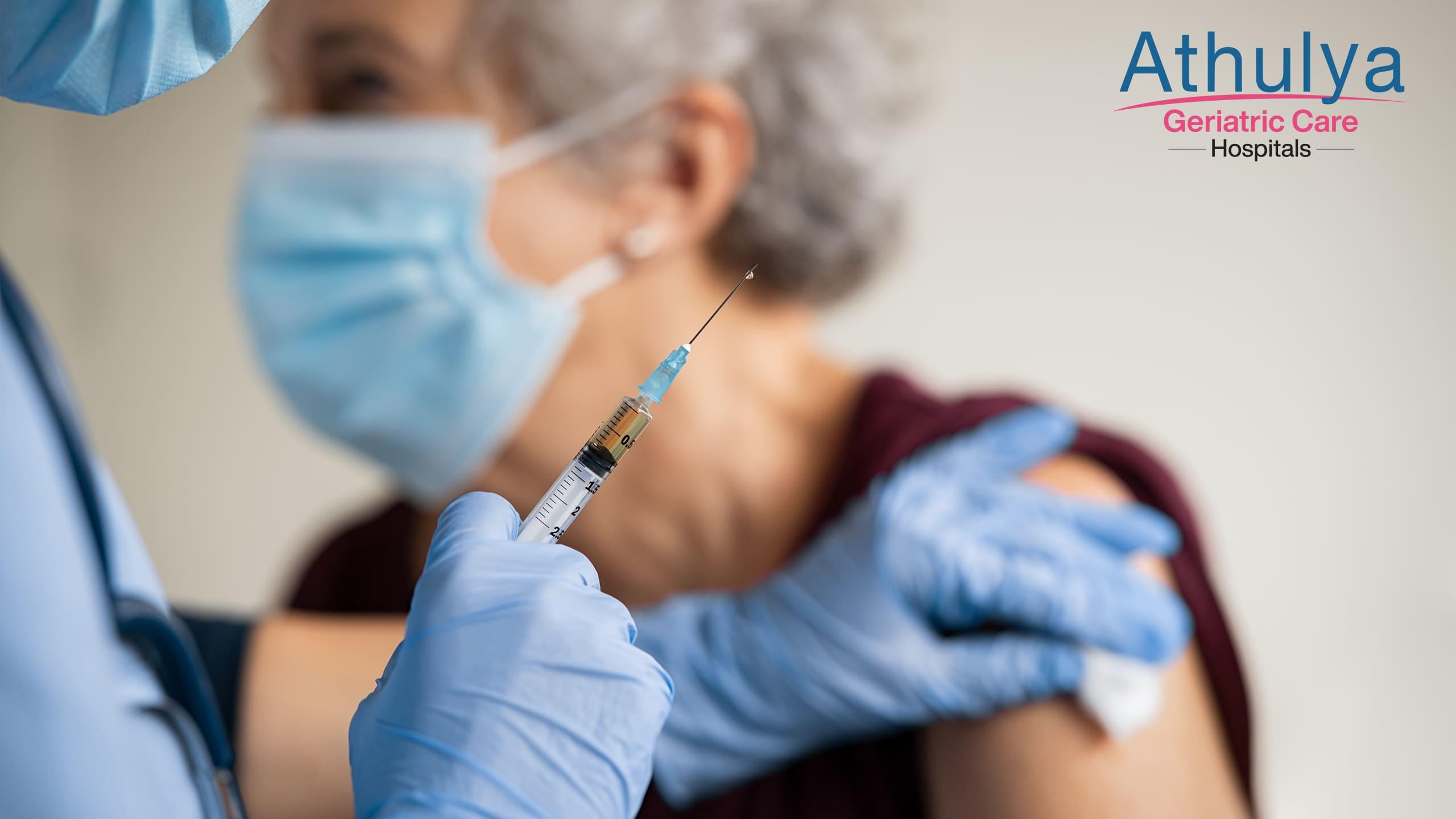
In many cases, vaccination can proceed if the illness is mild and the senior is otherwise clinically stable. Conditions such as a mild cold without significant symptoms do not always require vaccination to be postponed.
However, individuals experiencing a moderate or severe acute illness may need to delay vaccination until their condition improves. This helps healthcare professionals assess the person’s current health and determine the appropriate timing.
Seniors should consult their doctor before vaccination, particularly after hospitalization, surgery or a serious infection.
When Should Vaccination Be Postponed?
Vaccination may need to be delayed temporarily in certain circumstances, including:
- Severe illness: A significant acute illness may warrant postponing vaccination until the person’s condition improves.
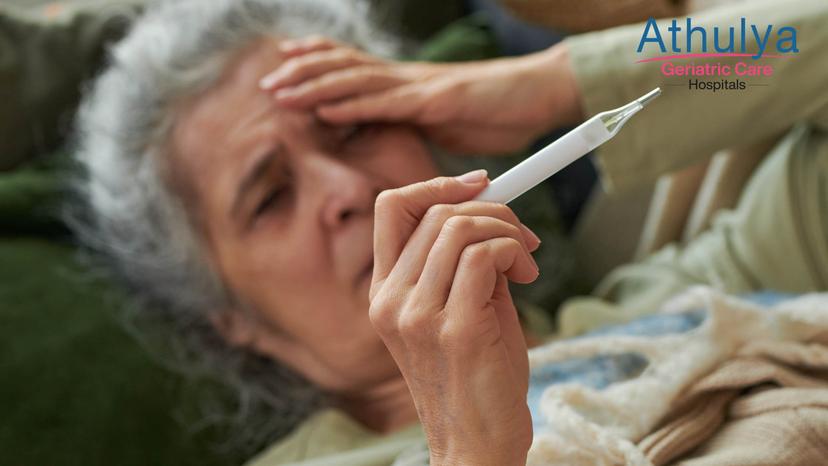
- Persistent fever: The doctor may recommend waiting until the underlying illness has been assessed and the senior is clinically stable.
- Hospitalization: Seniors recovering from serious infections or complications may require an individualized vaccination plan.
- Unstable medical conditions: Certain health complications may require medical evaluation before vaccination.
A delay does not necessarily mean that a vaccine is unsuitable. The healthcare professional can recommend when to proceed based on the illness, vaccine type and current clinical guidance.
Also Read: Diabetes and Cognitive Health in Older Adults: Understanding the Connection
Why Is Vaccination Important During Senior Recovery?
Older adults may be more vulnerable to infections because of age-related immune changes and chronic health conditions. During recovery, preventing additional illnesses can be particularly important.
Reviewing vaccination needs can help:
- Reduce the risk of certain vaccine-preventable infections.
- Lower the likelihood of severe complications from specific diseases.
- Support preventive care for seniors with chronic conditions.
- Identify missed vaccines and necessary booster doses.
- Coordinate immunisation with ongoing medical treatment.
Vaccines do not replace recovery care, adequate nutrition, prescribed medication or follow-up consultations. They form one part of a comprehensive approach to senior health.
Conclusion
Vaccination during recovery from an illness requires an individualised approach, particularly for older adults with chronic conditions or recent hospitalisation. While mild illnesses may not prevent vaccination, moderate or severe illness can warrant postponement until the person’s condition improves. Consulting a healthcare professional helps ensure that vaccination is planned at an appropriate time.
At Athulya Geriatric Care Hospitals, preventive healthcare and recovery planning go hand in hand in supporting seniors towards healthier ageing. Reviewing vaccination status during follow-up consultations can help identify appropriate preventive measures and determine whether vaccination should proceed or be postponed.
Frequently Asked Questions
1. Can seniors get vaccinated while recovering from a mild illness?
Often, yes. Mild illnesses do not always require postponing vaccination, but a doctor should assess individual circumstances.
2. Should vaccination be delayed if a senior has a fever?
A doctor may recommend postponing vaccination depending on the fever’s cause, severity and the person’s overall condition.
3. How long should seniors wait after a serious illness before vaccination?
There is no fixed waiting period for every illness. Timing depends on recovery progress, vaccine type and medical advice.
4. Is vaccination important for seniors with chronic conditions?
Yes. Vaccination may help reduce the risk of certain infections and complications, although recommendations should be individualized.
5. Can seniors receive vaccines after hospitalization?
Yes, when appropriate. Their doctor can review vaccination needs and determine suitable timing based on their condition and discharge plan.
6. Where can seniors seek vaccination guidance during recovery?
Seniors and their families can consult healthcare professionals at Athulya Geriatric Care Hospitals to discuss vaccination timing and preventive care based on individual recovery needs.