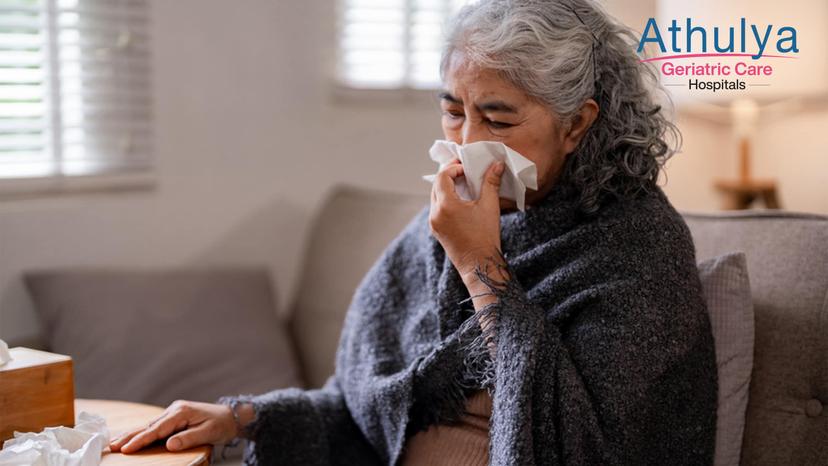
Vaccination is not just a childhood responsibility. As we age, our immune system naturally changes, making older adults more vulnerable to certain infections and their complications. For seniors, staying up to date with recommended vaccinations is an important part of preventive healthcare.
Vaccination needs can vary based on age, medical history, previous vaccinations, lifestyle and individual risk factors. Here are some important vaccines that seniors and their families should discuss with their healthcare provider.
1. Influenza Vaccine
Influenza, or flu, can be more serious in older adults than in younger, healthy individuals. Seniors may be at greater risk of complications such as pneumonia, worsening of existing heart or lung conditions and hospitalization.
Because influenza viruses can change from year to year, annual flu vaccination is generally recommended for older adults according to local vaccination guidelines.
2. Pneumococcal Vaccine
Pneumococcal bacteria can cause infections such as pneumonia, meningitis and bloodstream infections. Older adults are among those at increased risk of serious pneumococcal disease.
Pneumococcal vaccination can help reduce the risk of these infections. The specific vaccine and schedule may depend on the person’s age, health conditions and previous vaccination history.
3. Shingles Vaccine
Shingles occurs when the chickenpox virus, which remains dormant in the body after an earlier infection, becomes reactivated. The risk increases with age.
Apart from the characteristic painful rash, shingles can sometimes lead to long-lasting nerve pain called postherpetic neuralgia.
A shingles vaccine can help reduce the risk of shingles and related complications. Seniors should speak with their doctor about whether they are eligible and which vaccination schedule is appropriate.
4. COVID-19 Vaccine
Older adults have a higher risk of developing severe COVID-19, particularly those with certain underlying health conditions.
Also Read: Managing Multiple Medicines in Seniors with Diabetes
COVID-19 vaccination recommendations can change as new evidence and vaccine formulations become available. Seniors should follow the current recommendations applicable to their age and health status and discuss additional doses or boosters with their healthcare provider.
5. Td/Tdap Vaccine
Td and Tdap vaccines help protect against tetanus and diphtheria, while Tdap also provides protection against pertussis (whooping cough).
Adults may need periodic booster doses depending on their vaccination history. Tdap may also be recommended in certain circumstances, so seniors should check their previous vaccination records with their doctor.
6. Other Vaccines to Consider
Depending on an individual’s circumstances, other vaccines may also be relevant. These can include vaccines for hepatitis B, respiratory syncytial virus (RSV), and other vaccine-preventable diseases.
Travel plans, occupational exposure, living arrangements and specific medical conditions may also influence which vaccines are recommended.
Why Should Seniors Keep a Vaccination Record?
Maintaining an updated vaccination record makes it easier for healthcare professionals to identify which vaccines have already been received and which may be due.
This is particularly useful for older adults who see multiple healthcare providers or take regular medications.
Talk to Your Doctor About Vaccination
There is no one-size-fits-all vaccination schedule for every senior.
Recommendations can differ based on age, health conditions, previous vaccinations and national guidelines.
If you are caring for an ageing parent or loved one, don’t wait until an infection occurs to think about prevention. Discuss their vaccination history with a healthcare professional and create an appropriate preventive care plan.
Vaccination is an important step toward protecting health, maintaining independence and supporting healthy ageing. At Athulya Geriatric Care, preventive healthcare forms an important part of comprehensive care for older adults.
Frequently Asked Questions
1. Which vaccines are recommended for senior citizens?
Important vaccines include influenza, pneumococcal, shingles, COVID-19 and Td/Tdap vaccines.
2. Why is vaccination important for older adults?
Vaccination helps protect seniors from infections and reduces the risk of serious complications and hospitalisation.
3. How often should seniors take the flu vaccine?
Seniors are generally recommended to receive the flu vaccine annually, based on local vaccination guidelines.
4. Should seniors maintain a vaccination record?
Yes, an updated vaccination record helps doctors track previous doses and identify vaccines that may be due.
5. Do all senior citizens need the same vaccines?
No, vaccination recommendations vary based on age, medical history, previous vaccinations and individual risk factors.