As we grow older, staying healthy becomes less about simply treating illnesses and more about preventing them before they become serious. Vaccination is one of the most effective tools available for protecting older adults from several infections and their complications.
Many people assume that vaccines are mainly important during childhood. However, vaccination continues to play an important role throughout adulthood, particularly in later years when the immune system gradually changes and certain infections can become more severe.
How Does Immunity Change with Age?
Our immune system protects the body by identifying and fighting viruses, bacteria, and other harmful organisms. As we age, the immune system undergoes natural changes, a process sometimes referred to as immunosenescence.
This does not mean that an older person’s immune system stops working. Instead, the immune response may become slower or less effective. As a result, older adults may be more vulnerable to certain infections and may take longer to recover from them.
Older adults are also more likely to live with conditions such as diabetes, heart disease, respiratory disorders, or kidney problems. Some may take multiple medications or have reduced mobility. These factors can further increase the impact that an infection may have on overall health.
This is why prevention becomes increasingly important with age.
Why Can Infections Be More Serious for Seniors?
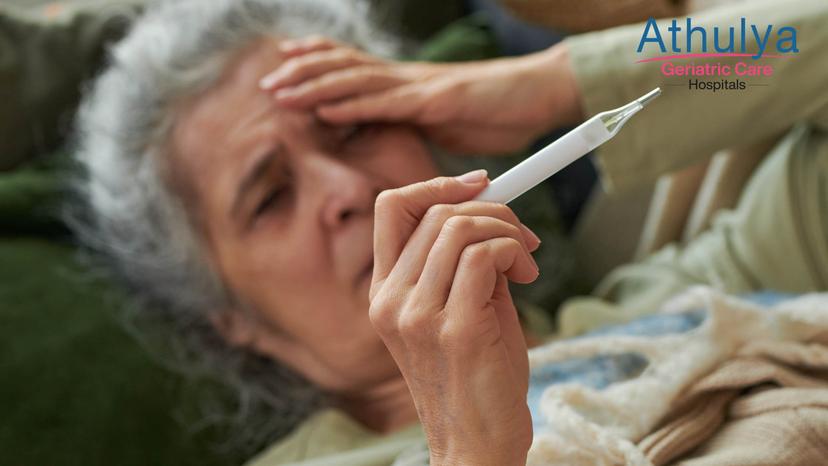
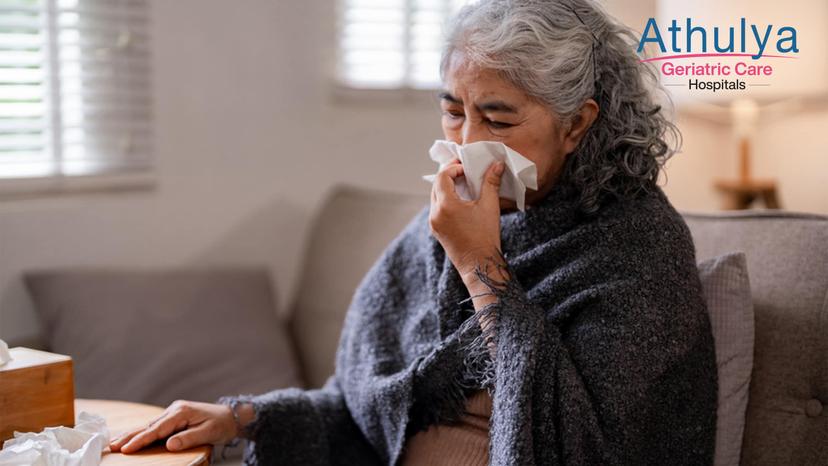
An infection that causes mild symptoms in a younger, healthy adult can sometimes lead to significant complications in an older person.
For example, respiratory infections can contribute to pneumonia, hospitalization, worsening of existing health conditions, or prolonged weakness. Certain infections can also result in loss of mobility and independence during recovery.
For seniors, the consequences of illness may extend beyond the infection itself. A period of hospitalization or prolonged bed rest can contribute to muscle weakness, reduced physical activity, nutritional problems and difficulty returning to normal daily routines.
Vaccination can help reduce the risk of several vaccine-preventable infections and, depending on the vaccine and individual circumstances, can also reduce the likelihood of severe disease and complications.
Which Vaccines May Be Important for Older Adults?
Vaccination recommendations vary depending on age, medical history, previous vaccinations, risk factors and local guidelines. Older adults may be advised to discuss vaccines such as:
Influenza Vaccine
Influenza, commonly known as flu, can be more serious in older adults. Annual vaccination is an important preventive measure because influenza viruses change over time and protection can decrease.
Pneumococcal Vaccination
Pneumococcal bacteria can cause serious infections, including pneumonia, meningitis and bloodstream infections. Older age is one of the factors that can increase the risk of serious pneumococcal disease.
Also Read: Building Immunity Naturally After 60: Small Lifestyle Changes, Big Health Benefits
Shingles Vaccine
Shingles is caused by reactivation of the chickenpox virus, which remains in the body after an earlier infection. The risk of shingles increases with age. It can also cause postherpetic neuralgia, a type of persistent nerve pain that can continue after the rash has disappeared.
COVID-19 Vaccination
COVID-19 can cause more severe illness in older adults, particularly those with certain underlying health conditions. Staying up to date with recommended COVID-19 vaccination can be an important part of preventive care.
Other vaccines, including those protecting against tetanus, diphtheria and pertussis, may also be recommended depending on an individual’s vaccination history and risk factors.
Vaccination Is Part of Healthy Ageing
Healthy ageing isn’t only about managing existing diseases. It also involves protecting physical function, maintaining independence and reducing avoidable health risks.
Vaccination can form one part of a broader preventive healthcare plan that includes regular health check-ups, appropriate nutrition, physical activity, good sleep, medication management and timely screening.
It is particularly important for families and caregivers to keep an updated record of an older adult’s vaccinations. If you’re unsure whether a particular vaccine is required, don’t rely on assumptions or previous vaccination history alone. Speak with a qualified healthcare professional who can assess the individual’s age, health conditions, previous vaccines and current recommendations.
A Conversation with Your Doctor Can Make a Difference
There is no single vaccination schedule that is appropriate for every senior. Personalised medical advice matters.
Before receiving a vaccine, seniors should discuss their medical history, allergies, current medications and previous vaccination history with their doctor. This helps the healthcare team determine which vaccinations may be appropriate and when they should be given.
Protecting Health Through Prevention
Ageing is a natural part of life, but serious infections do not have to be accepted as an inevitable part of it. Taking preventive steps can help older adults continue to live active, independent and fulfilling lives.
Vaccination is not just about preventing an infection today. It is about protecting health, independence and quality of life as we age.
At Athulya Geriatric Care, preventive healthcare is an important part of comprehensive senior care. If you or your family member is unsure about recommended vaccinations, speak to a geriatric healthcare professional for personalised guidance.
Frequently Asked Questions
1. Why does vaccination become more important as we age?
Age-related changes in immunity make seniors more vulnerable to infections and their complications.
2. What is immunosenescence in older adults?
Immunosenescence is the natural age-related decline in immune system function that can reduce the body’s ability to fight infections.
3. Why are infections more serious in senior citizens?
Infections can lead to complications such as pneumonia, hospitalization, muscle weakness and reduced independence.
4. Which vaccines are important for senior citizens?
Important vaccines may include influenza, pneumococcal, shingles, COVID-19 and Td/Tdap vaccines.
5. Can vaccination help prevent hospitalization in seniors?
Yes, vaccination can reduce the risk of certain infections and their severe complications, potentially lowering hospitalization risk.