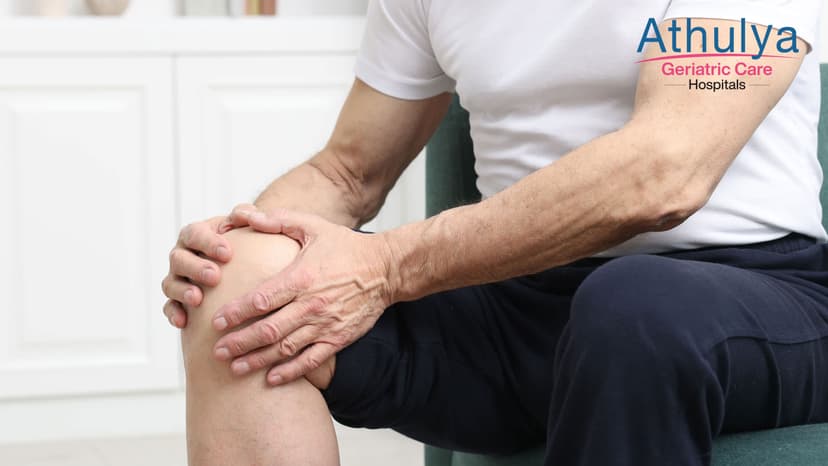
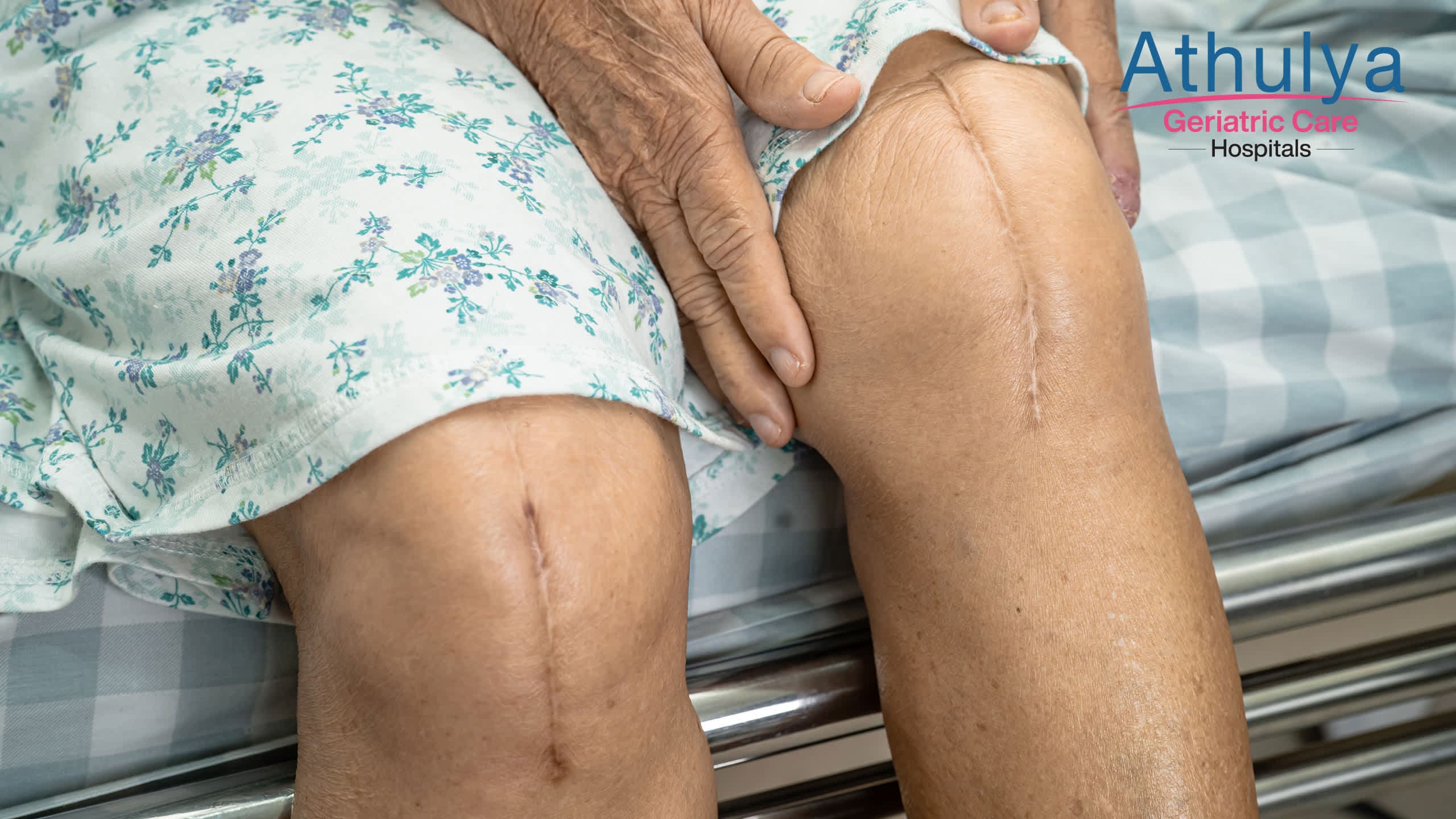
Knee pain is common among older adults, and for some seniors with advanced knee arthritis, knee replacement surgery may become an option when pain and reduced mobility significantly affect daily life. With advances in orthopaedic technology, Robotic Knee Replacement has emerged as a technology-assisted approach to knee replacement surgery.
But is robotic knee replacement right for every senior?
The answer depends on several factors, including the severity of knee damage, overall health, mobility, medical conditions and the assessment of the orthopaedic team.
What Is Robotic Knee Replacement?
Robotic knee replacement is a technology-assisted form of knee replacement surgery. It uses advanced imaging and computer-assisted technology to help the surgeon plan the procedure and guide bone preparation and implant positioning.
Importantly, the robot does not replace the surgeon. The orthopaedic surgeon remains responsible for planning and performing the procedure, while the technology provides additional information and precision during surgery.
Potential Benefits for Seniors
For older adults undergoing knee replacement, accurate surgical planning and appropriate implant positioning are important considerations. Robotic-assisted technology can help the surgical team create a more personalised surgical plan based on the individual’s knee anatomy.
Depending on the patient’s condition and surgical plan, robotic knee replacement may offer benefits such as:
- Detailed pre-operative planning
- Technology-assisted surgical precision
- Personalised planning based on individual knee anatomy
- Assistance with implant positioning and alignment
- Support for a more structured surgical approach
However, robotic technology does not automatically mean that every senior is a candidate or that recovery will be the same for everyone.
Is Robotic Knee Replacement Suitable for Every Senior?
Not necessarily. The decision to undergo robotic knee replacement surgery should be based on a comprehensive evaluation.
For seniors, doctors may consider the extent of arthritis, bone quality, muscle strength, mobility, existing medical conditions, medications and overall functional status.
Also Read: Life After Knee Replacement: Walking, Climbing Stairs and Returning to Everyday Activities
Conditions such as diabetes, heart disease or other chronic illnesses may also need to be appropriately evaluated and managed before surgery.
This is where geriatric orthopaedic care can be particularly valuable. Looking at the senior as a whole helps the healthcare team plan care around both the knee condition and the individual’s overall health.
The Importance of Rehabilitation After Knee Replacement
Surgery is only one part of the knee replacement journey. Rehabilitation and physiotherapy are important for helping seniors work towards improved mobility and functional independence after surgery.
A personalised rehabilitation programme may focus on strength, balance, range of motion, walking and everyday activities. Nutrition, medication management and appropriate medical monitoring can also form part of comprehensive senior care.
Robotic Knee Replacement at Athulya Geriatric Care Hospitals
At Athulya Geriatric Care Hospitals, knee replacement care for seniors is supported by a senior-focused healthcare approach. The care journey can bring together orthopaedic expertise, geriatric assessment, physiotherapy, rehabilitation and other supportive services based on the individual’s needs.
For seniors considering robotic knee replacement in Chennai, the first step is a detailed consultation with an orthopaedic specialist. Your doctor can assess your knee condition, overall health and functional goals and determine whether robotic-assisted knee replacement is an appropriate option.
Making the Right Choice for Your Knee
Robotic knee replacement is an important advancement in modern orthopaedic care, but technology is only one part of the decision. For seniors, the right treatment should consider the knee, overall health, mobility, lifestyle and goals together.
If knee pain is affecting your ability to walk, climb stairs or enjoy everyday activities, speak with an orthopaedic specialist to understand your treatment options.
MBBS, MS (Orthopaedics)
Frequently Asked Questions
What is robotic knee replacement?
Robotic knee replacement is a technology-assisted surgery that helps surgeons plan the procedure and improve precision in bone preparation and implant positioning.
Is robotic knee replacement suitable for seniors?
It may be suitable for some seniors, depending on their knee condition, overall health, mobility and medical history.
What are the benefits of robotic knee replacement for seniors?
It can support detailed planning, personalised surgical guidance, accurate implant positioning and alignment based on individual knee anatomy.
Do all seniors with knee arthritis need robotic knee replacement?
No, the appropriate treatment depends on the severity of arthritis and the senior’s overall health, mobility and functional needs.
Is rehabilitation needed after robotic knee replacement?
Yes, physiotherapy and rehabilitation are important for improving strength, mobility, balance and range of motion after surgery.
Where can seniors get robotic knee replacement in Chennai?
Seniors can consult an orthopaedic specialist at Athulya Geriatric Care Hospitals to assess whether robotic-assisted knee replacement is appropriate for them.