
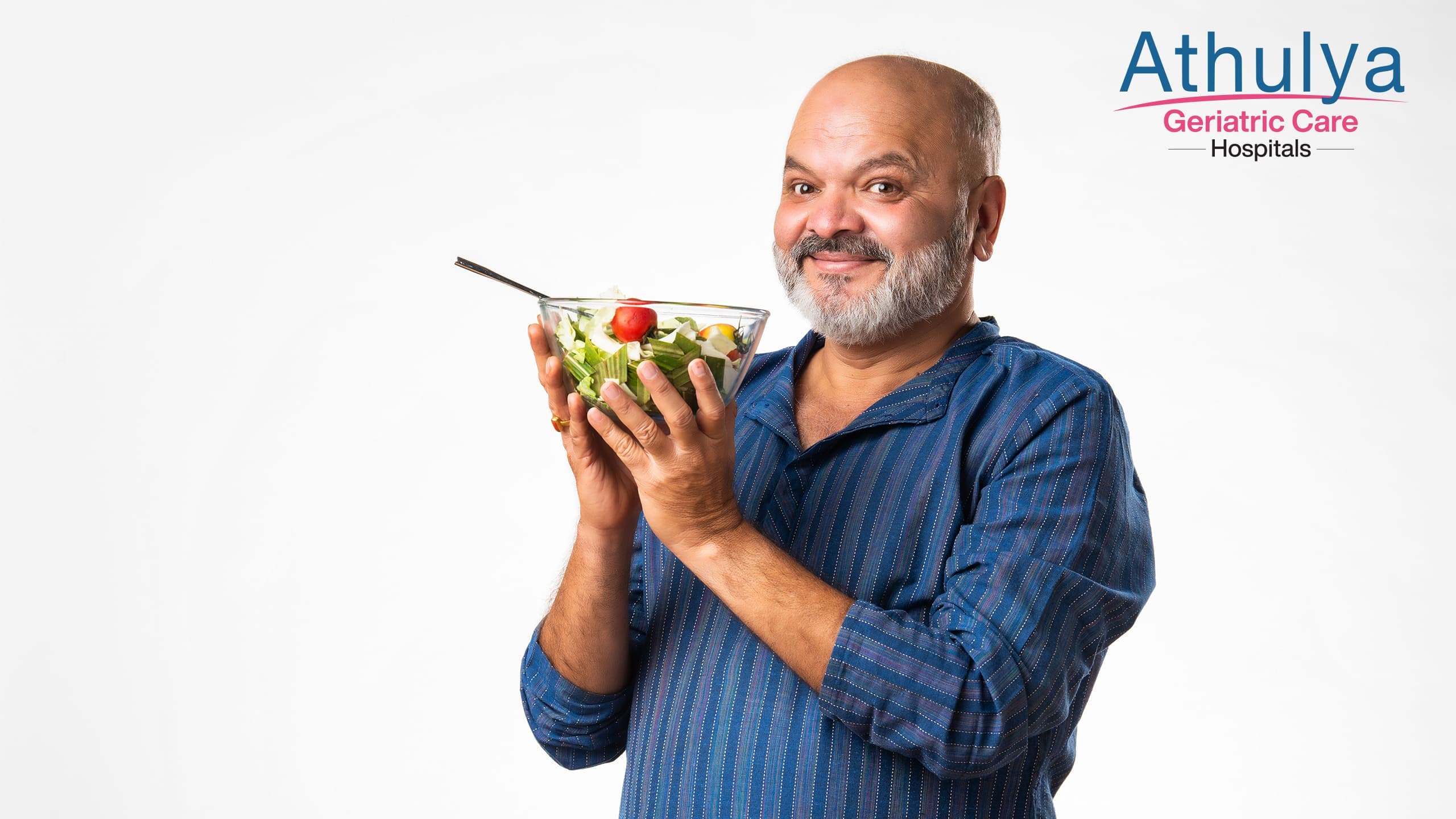
Managing diabetes becomes especially important as we age. Along with medication and regular monitoring, a balanced diet can play an important role in maintaining healthy blood sugar levels and supporting overall wellbeing. For older adults, nutrition for seniors with diabetes should focus on balanced meals, appropriate portions and nutrient-rich foods.
Why Nutrition Matters for Seniors with Diabetes
A well-planned diabetic diet for seniors can help support blood sugar management while providing the protein, fibre, vitamins and minerals needed for healthy ageing. However, nutritional needs can vary depending on medications, activity levels and other health conditions.
Foods to Include in a Senior Diabetic Diet
1. High-Fibre Foods
Fibre can help support better blood sugar management and digestive health. Include vegetables, leafy greens, beans, lentils, whole grains, oats and suitable low-sugar fruits.
2. Protein-Rich Foods
Protein helps maintain muscle strength, which is particularly important for older adults. Good choices include eggs, fish, skinless chicken, paneer, curd, dal, beans and other pulses.
3. Healthy Fats
Include moderate amounts of healthy fats from nuts, seeds, avocados and healthy cooking oils. Portion control is important as these foods can be calorie-dense.
4. Choose Fruits Wisely
Whole fruits can be part of a diabetes-friendly diet for seniors. Options such as guava, apple, orange, pear and berries can be included in appropriate portions. Whole fruit is generally preferable to fruit juice.
Also Read: Building Immunity Naturally After 60: Small Lifestyle Changes, Big Health Benefits
For seniors with diabetes, what you eat and how much you eat both matter. Using smaller portions of carbohydrates and balancing them with vegetables and protein can help create more balanced meals.
Try to maintain consistent meal timings and avoid frequently skipping meals, particularly if taking diabetes medications that can cause low blood sugar.
Portion Control Matters
For seniors with diabetes, what you eat and how much you eat both matter. Using smaller portions of carbohydrates and balancing them with vegetables and protein can help create more balanced meals.
Try to maintain consistent meal timings and avoid frequently skipping meals, particularly if taking diabetes medications that can cause low blood sugar.
Foods to Limit
Seniors managing diabetes should limit sugary drinks, sweets, refined carbohydrates, highly processed foods and excessive fried foods. Foods labelled “sugar-free” are not necessarily carbohydrate-free, so food labels and portion sizes should still be considered.
Personalised Nutrition for Healthy Ageing
At Athulya Geriatric Care Hospitals, nutrition forms an important part of holistic geriatric care. A senior’s nutritional plan should consider their medical conditions, medications, appetite, activity levels and individual dietary needs.
A nutritionist or healthcare professional can help create a personalised meal plan that supports diabetes management while ensuring adequate nutrition.
Eat balanced. Manage portions. Support healthier ageing.
Frequently Asked Questions
- What foods are good for seniors with diabetes?
Vegetables, leafy greens, whole grains, pulses, eggs, fish, lean chicken, nuts and suitable whole fruits can be part of a diabetes-friendly diet.
- Which fruits are good for seniors with diabetes?
Guava, apple, orange, pear and berries can be included in appropriate portions as part of a balanced diabetic diet.
- What foods should seniors with diabetes avoid?
Seniors with diabetes should limit sugary drinks, sweets, refined carbohydrates, highly processed foods and excessive fried foods.
- Is fruit good for seniors with diabetes?
Yes, whole fruit can be included in a senior diabetic diet when consumed in suitable portions rather than as juice.
- How can seniors control blood sugar through diet?
Choosing nutrient-rich foods, controlling portions, maintaining regular meal timings and limiting added sugars can support blood sugar management.