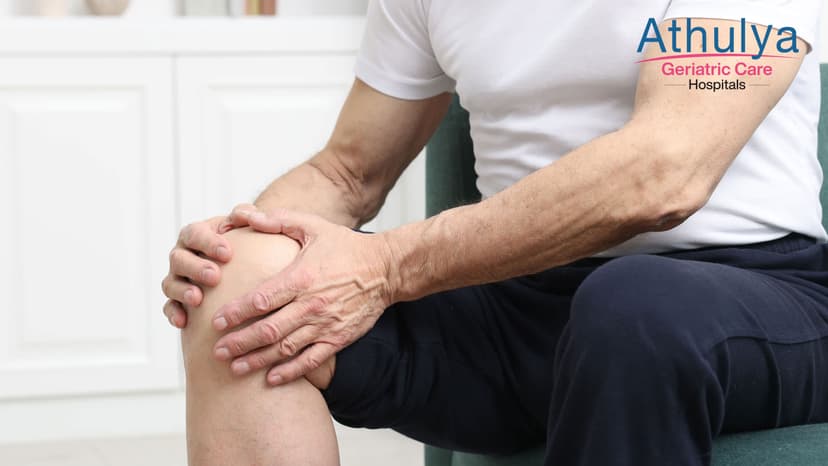
For seniors living with severe knee arthritis, knee replacement surgery can be a major step towards reducing pain and improving mobility. But many patients and families have an important question:
What is life like after knee replacement?
With appropriate medical care, physiotherapy and rehabilitation, many seniors can gradually return to walking, climbing stairs and performing everyday activities with greater confidence.
Walking After Knee Replacement
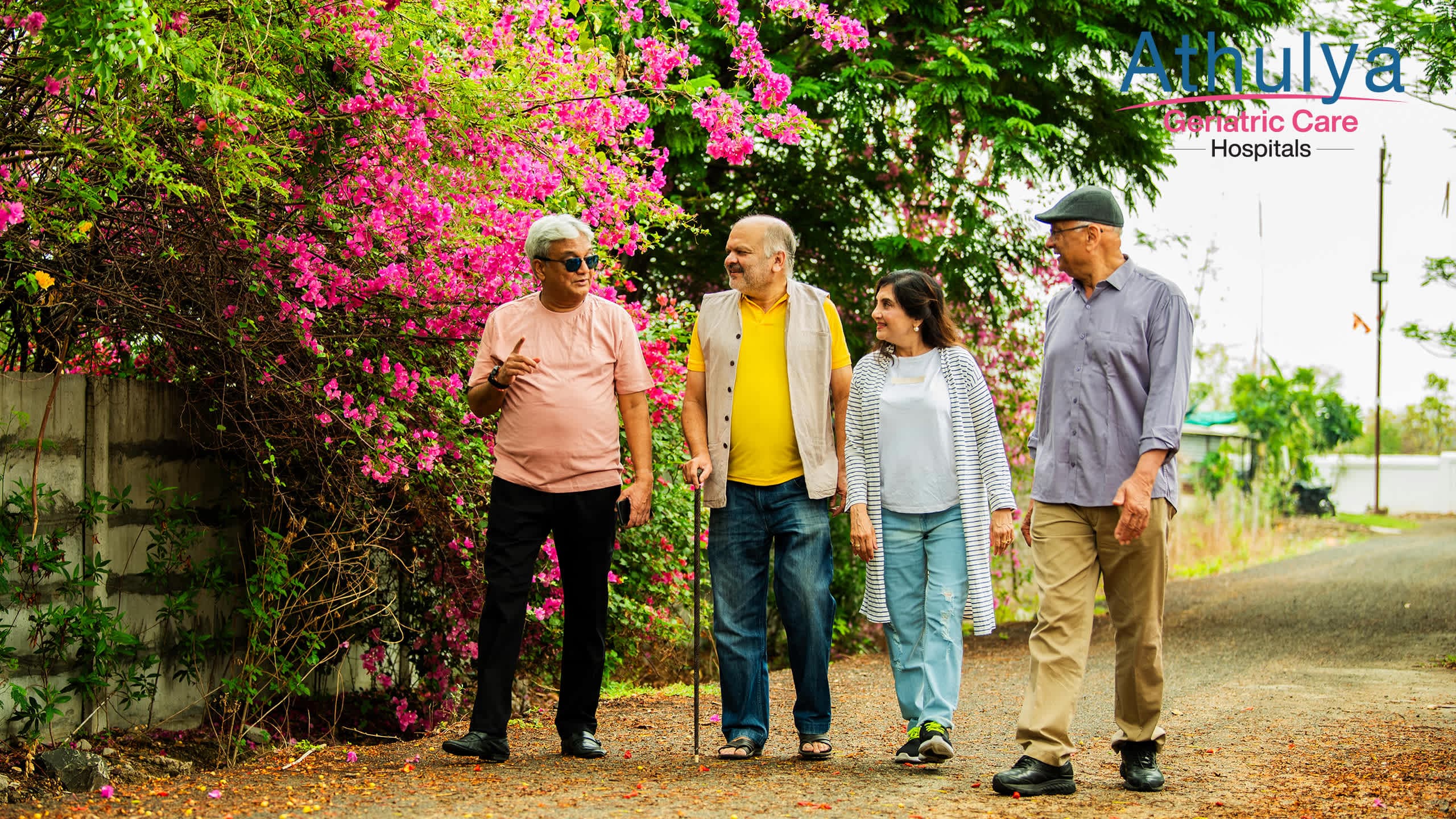
Walking is an important part of knee replacement recovery. Patients are generally encouraged to begin moving and walking with appropriate support as advised by their medical team.
Initially, a walker or other walking aid may be required. As strength, balance and confidence improve, the need for support can gradually reduce.
Regular physiotherapy after knee replacement helps improve knee movement, muscle strength, balance and walking ability. The pace of recovery varies depending on the patient’s age, overall health, muscle strength and rehabilitation progress.
Climbing Stairs After Knee Replacement
Climbing stairs may feel challenging during the early stages of recovery. However, with improved strength and balance, many seniors can gradually return to using stairs.
A physiotherapist can teach the patient safe stair-climbing techniques and recommend exercises to strengthen the muscles required for this activity.
Patients should avoid rushing the process. Safe mobility after knee replacement is more important than achieving a particular timeline.
Returning to Everyday Activities
One of the key goals of knee replacement surgery for seniors is to help patients regain independence in daily life.
Depending on their recovery, seniors may gradually return to activities such as:
- Walking around the home and outdoors
- Getting in and out of a chair
- Shopping and running everyday errands
- Participating in social activities
- Performing routine household activities
- Enjoying low-impact physical activities
Following the surgeon’s and physiotherapist’s recommendations is important during this stage.
Also Read: Building Immunity Naturally After 60: Small Lifestyle Changes, Big Health Benefits
Why Rehabilitation Matters After Knee Replacement
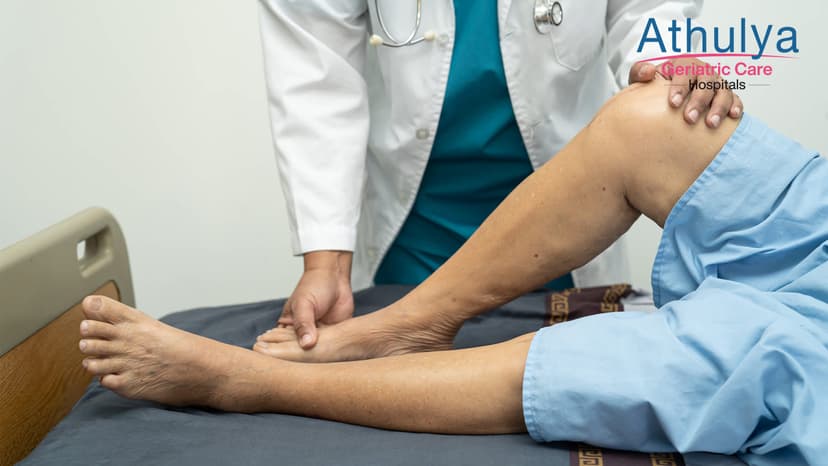
Surgery replaces the damaged joint, but rehabilitation helps the body adapt to the new joint. A structured knee replacement rehabilitation programme can focus on flexibility, muscle strengthening, balance, walking and functional independence.
For seniors, rehabilitation should also consider fall prevention, existing medical conditions and individual mobility goals.
Senior-Focused Knee Replacement Care at Athulya
At Athulya Geriatric Care Hospital – a multi specialty Hospital at Chennai, orthopaedic treatment is supported by senior-focused rehabilitation and multidisciplinary care. The hospital’s Centre of Excellence for Orthopaedics & Rehabilitation brings together orthopaedic expertise, physiotherapy and rehabilitation with a focus on the unique needs of older adults.
For families searching for a knee replacement hospital in Chennai for seniors, choosing a hospital that provides comprehensive care beyond surgery can support the journey from treatment to recovery.
Moving Towards a More Active Life
Life after knee replacement is a gradual journey. With appropriate surgery, rehabilitation, physiotherapy and family support, seniors can work towards improved mobility, greater independence and a better quality of life.
If knee pain is limiting your daily activities, consult an orthopaedic specialist to understand whether knee replacement surgery in Chennai may be right for you.
Frequently Asked Questions
How soon can seniors walk after knee replacement surgery?
Seniors are usually encouraged to begin walking with appropriate support as advised by their medical team.
Can seniors climb stairs after knee replacement?
Yes, many seniors can gradually return to climbing stairs with improved strength, balance and physiotherapy.
Why is physiotherapy important after knee replacement?
Physiotherapy helps improve knee movement, muscle strength, balance and walking ability during recovery.
Can seniors return to everyday activities after knee replacement?
With appropriate recovery and rehabilitation, seniors can gradually resume daily activities such as walking, shopping and household tasks.
How long does recovery after knee replacement take for seniors?
Recovery varies based on age, overall health, muscle strength and individual rehabilitation progress.
Is rehabilitation necessary after knee replacement surgery?
Rehabilitation helps seniors adapt to the new joint and work towards improved mobility, balance and independence.
Where can seniors get knee replacement care in Chennai?
Athulya Geriatric Care Hospital provides orthopaedic treatment along with senior-focused physiotherapy and rehabilitation in Chennai.
MBBS, MS (Orthopaedics)