Low blood sugar, medically known as hypoglycemia, can become a serious concern for older adults, particularly those living with diabetes. It may develop when diabetes medication, food intake and physical activity are not well balanced. If left untreated, low blood sugar can cause confusion, falls, seizures and loss of consciousness.
Recognising the early signs of hypoglycemia in older adults and knowing how to respond can help families and caregivers act quickly. At Athulya Geriatric Care Hospitals, individualised diabetes management and timely medical attention are important aspects of supporting seniors’ health and safety.
What Is Hypoglycemia?
Hypoglycemia occurs when blood glucose falls below the level needed for the body to function normally. For many people with diabetes, a reading below 70 mg/dL is considered low and requires attention.
Older adults may be particularly vulnerable because of changes in appetite, kidney function, medication use and the body’s response to low glucose. Some seniors may not experience typical warning signs, making regular monitoring especially important.
Common Symptoms of Low Blood Sugar in Seniors
Symptoms can develop suddenly or become more noticeable over time. They may vary from person to person.
Common signs include:
- Sweating and trembling: Sudden perspiration or shaky hands.
- Dizziness and weakness: Feeling light-headed, unsteady or unusually tired.
- Hunger: Sudden or intense hunger.
- Confusion: Difficulty concentrating, speaking clearly or following instructions.
- Behavioural changes: Irritability, anxiety or unusual restlessness.
- Vision changes: Blurred vision or difficulty focusing.
- Severe symptoms: Seizures, loss of consciousness or inability to respond normally.
Some older adults may develop a condition called hypoglycemia unawareness, in which they do not recognise the usual warning signs of low blood sugar, such as sweating, trembling, hunger or palpitations. This can occur due to recurrent episodes of hypoglycemia, age-related changes or certain medications. As a result, low blood sugar may go unnoticed until more serious symptoms, such as confusion, unusual behaviour, falls or loss of consciousness, develop. Regular blood glucose monitoring and periodic review of diabetes medications are important to help identify and prevent these episodes.
What Causes Hypoglycemia in Older Adults?
Several factors can contribute to low blood sugar, especially among seniors managing diabetes.
- Diabetes medications: Insulin and certain medicines, including sulfonylureas, can cause hypoglycemia.
- Missed or delayed meals: Taking medication without eating enough can lower glucose levels.
- Reduced appetite: Illness, nausea or changes in taste may reduce food intake.
- Kidney problems: Reduced kidney function can affect how some diabetes medicines are processed.
- Physical activity: Exercise or increased activity without appropriate food or medication planning may lower glucose.
- Medication errors: Taking an incorrect dose or accidentally repeating a dose can increase risk.
- Alcohol consumption: Alcohol may contribute to low blood sugar, particularly when consumed without food.
Reviewing these factors with a healthcare professional can help identify ways to prevent recurring episodes.
Also Read: Managing Multiple Medicines in Seniors with Diabetes
First Aid for Hypoglycemia: What Should You Do?
Quick action is essential when low blood sugar is suspected. If possible, check the person’s blood glucose immediately, but do not delay treatment when symptoms are clear and the person is able to swallow safely.
If the Senior Is Awake and Can Swallow Safely – H5If the Senior Is Awake and Can Swallow Safely
- Give fast-acting carbohydrates: Offer approximately 15 grams of fast-acting carbohydrate, such as glucose tablets according to the package instructions, glucose gel suitable for oral use, or about 120 mL of fruit juice or regular (non-diet) soft drink.
- Wait 15 minutes: Allow time for the glucose to be absorbed.
- Recheck blood sugar: If possible, measure glucose again. If it remains below 70 mg/dL, repeat the treatment with another 15 grams of fast-acting carbohydrate.
- Follow up: Once glucose has recovered, provide a meal or snack if the next meal is not soon, following the person’s diabetes care plan.
If symptoms do not improve, worsen or recur, seek urgent medical assistance.
If the Senior Is Unconscious or Cannot Swallow Safely
Never give food, liquids or tablets by mouth to someone who is unconscious, having a seizure or unable to swallow safely, as this can cause choking.
- Call emergency medical services immediately.
- If glucagon is prescribed for appropriate high-risk patients, particularly those using insulin, caregivers should know how to administer it.
- If the person is unconscious but breathing normally, place them on their side when safe to do so and monitor their breathing.
- If they are not breathing normally, follow the emergency dispatcher’s instructions and begin CPR if trained.
How Can Seniors Prevent Low Blood Sugar?
Preventive measures can reduce the likelihood of recurring episodes:
- Take medicines exactly as prescribed.
- Eat meals regularly and avoid skipping meals after taking glucose-lowering medication.
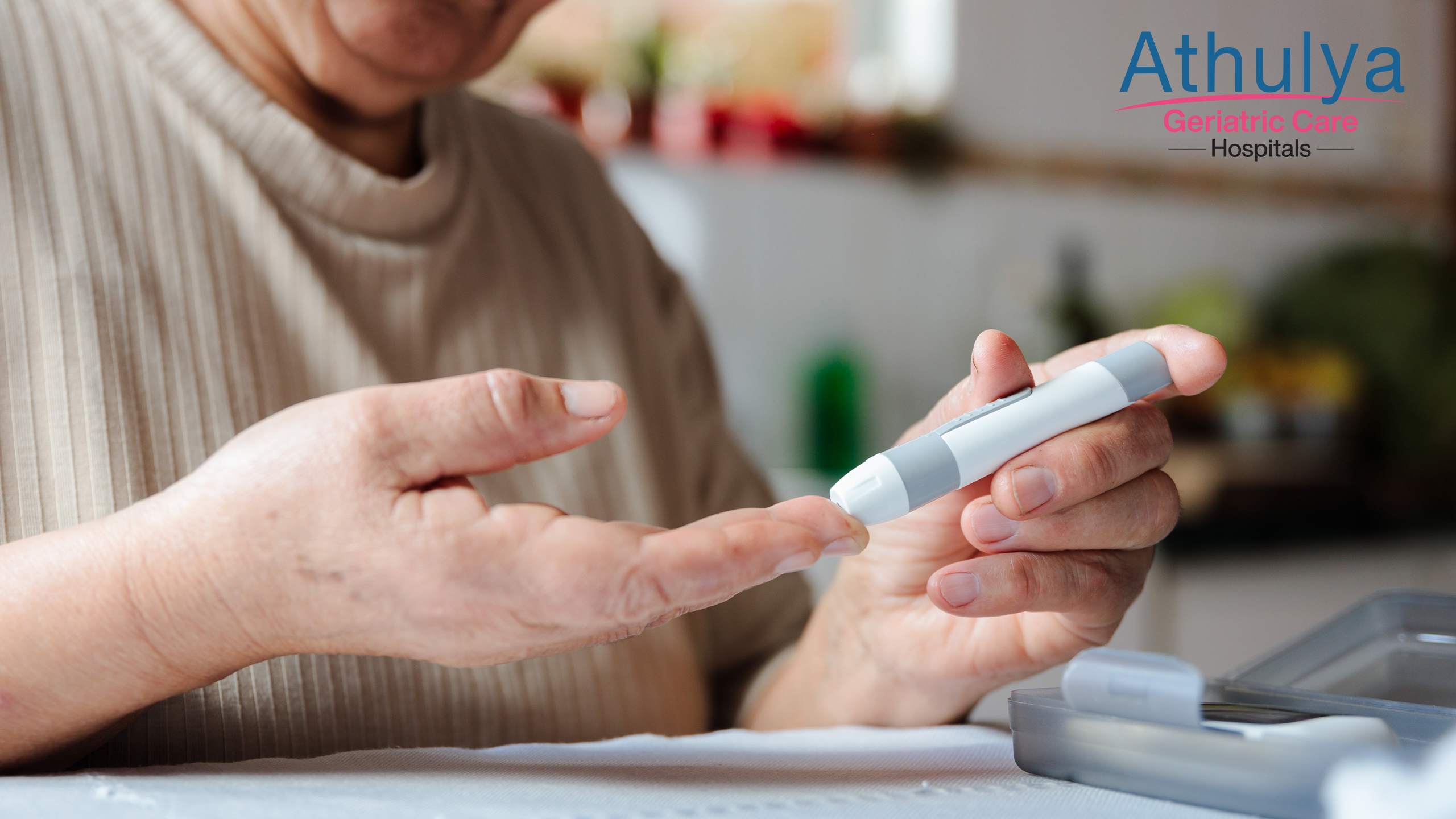
- Monitor blood glucose as recommended by the treating doctor.
- Keep glucose tablets or another suitable fast-acting carbohydrate readily available.
- Inform caregivers about warning signs and emergency steps.
- Attend regular medical reviews, particularly after changes in appetite, kidney function, medication or daily activity.
Recurrent hypoglycemia should prompt a review of the diabetes management plan. Older adults may need less intensive glucose targets or medication adjustments depending on their overall health and risk of complications. Any changes should be made with medical guidance.
Supporting Diabetes Safety in Older Adults
Managing diabetes in later life involves balancing blood glucose control with safety, independence and quality of life. Memory difficulties, multiple medications and other chronic conditions can make recognising and responding to hypoglycemia more challenging.
At Athulya Geriatric Care Hospitals, a geriatric-focused approach considers individual health conditions, medication requirements and daily care needs. Regular assessments and personalised medical guidance can help seniors and families identify risk factors, improve monitoring practices and respond appropriately to low blood sugar.
Understanding the symptoms and knowing the correct first-aid steps can make a significant difference. With preventive planning, caregiver awareness and timely medical support, seniors can reduce avoidable risks associated with hypoglycemia.
Medical Disclaimer:
This article is intended for general educational purposes and should not replace professional medical advice, diagnosis or treatment. Please consult a qualified healthcare professional for individualised medical guidance.
MBBS, F.Diab, CCGDM, CCEBDM, CCIGC
Frequently Asked Questions
1. What blood sugar level is considered low in older adults?
A blood glucose reading below 70 mg/dL is generally considered low for people with diabetes and requires attention.
2. Can hypoglycemia occur during sleep?
Yes. Low blood sugar can occur overnight, particularly in people using insulin or certain diabetes medicines. Night-time sweating, disturbed sleep or morning confusion may warrant a medical review.
3. What is the quickest way to treat mild hypoglycemia?
For a person who is awake and can swallow safely, give around 15 grams of fast-acting carbohydrate, then recheck glucose after 15 minutes and repeat if it remains low.
4. Can hypoglycemia cause falls in seniors?
Yes. Dizziness, weakness, blurred vision and confusion can affect balance and coordination, increasing the risk of falls and injuries.
5. Why are older adults more vulnerable to low blood sugar?
Medication effects, reduced appetite, kidney problems, other medical conditions and difficulty recognising symptoms can increase the risk.
6. When should a senior see a doctor after a hypoglycemic episode?
Seek medical advice after recurrent episodes, unexplained low readings or episodes linked to medication. Severe symptoms, seizures or loss of consciousness require emergency care.