A stroke can change life in an instant — affecting movement, speech, memory, balance, and daily independence. While immediate medical attention is critical, the journey doesn’t end after hospital discharge. Rehabilitation plays a major role in helping stroke survivors regain confidence, improve functionality, and return to everyday life.
Stroke rehabilitation is a structured recovery process involving physical therapy, occupational therapy, speech therapy, emotional support, and lifestyle guidance. The earlier rehabilitation begins, the better the chances of recovery.
Here are the 7 major benefits of rehabilitation after stroke recovery and why it is essential for long-term healing.
1. Helps Restore Mobility and Movement
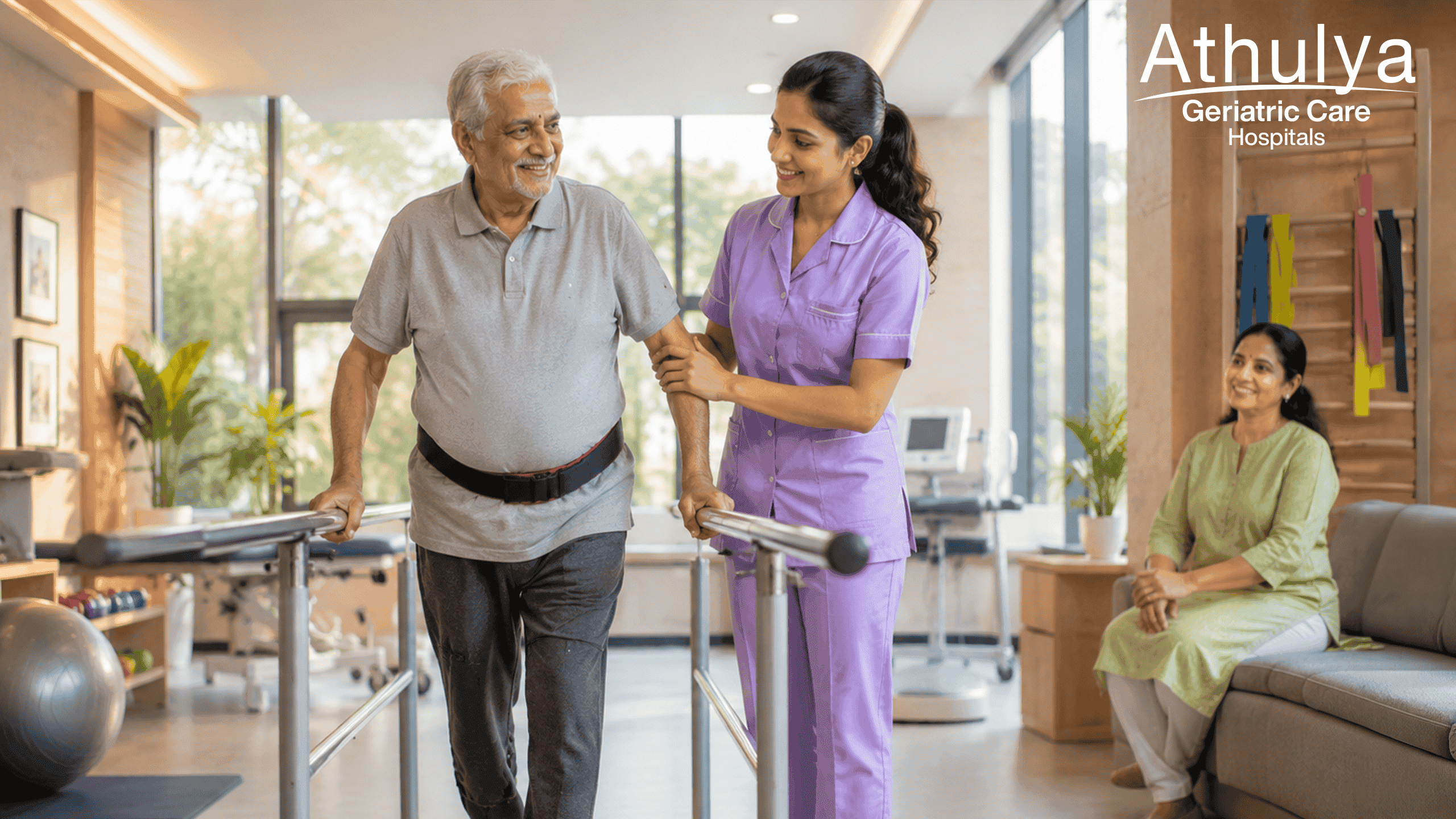
One of the most common effects of a stroke is weakness or paralysis on one side of the body. Rehabilitation therapies help patients gradually regain strength, coordination, and movement.
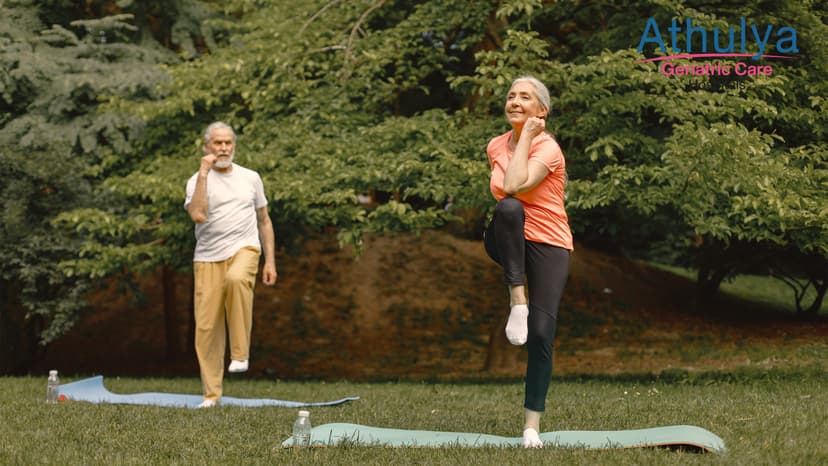
Physical therapy exercises focus on:
- Improving muscle strength
- Enhancing balance and posture
- Relearning walking movements
- Increasing flexibility and endurance
With regular rehabilitation sessions, many stroke survivors experience significant improvement in mobility and independence.
2. Improves Speech and Communication Skills
A stroke can affect the brain’s language and communication centers, leading to difficulties in speaking, understanding, reading, or writing.
Speech therapy helps patients:
- Relearn words and sentence formation
- Improve pronunciation and clarity
- Strengthen swallowing muscles
- Enhance communication confidence
Early speech rehabilitation can greatly improve social interaction and emotional wellbeing.
3. Supports Faster Recovery and Independence
Rehabilitation is designed to help patients regain the ability to perform daily activities independently.
Occupational therapy focuses on tasks such as:
- Dressing
- Bathing
- Eating
- Writing
- Cooking
- Personal care routines
By improving functional abilities, rehabilitation empowers stroke survivors to return to a more independent lifestyle.
4. Prevents Secondary Health Complications
Without proper rehabilitation, stroke survivors may develop complications such as:
- Muscle stiffness
- Joint pain
- Bed sores
- Poor circulation
- Muscle atrophy
- Increased fall risk
Rehabilitation programs encourage movement, exercise, and body conditioning that help prevent these complications and improve overall physical health.
5. Enhances Mental and Emotional Wellbeing
Stroke recovery is not only physical — it is emotional too. Many survivors experience anxiety, frustration, depression, or loss of confidence after a stroke.
Rehabilitation provides:
- Emotional support
- Motivation and encouragement
- Structured recovery goals
- Social interaction and confidence-building
Counselling and therapy sessions help patients stay mentally strong throughout their recovery journey.
6. Improves Brain Function Through Neuroplasticity
The human brain has an incredible ability called neuroplasticity, where healthy parts of the brain can learn to take over lost functions.
Rehabilitation stimulates the brain through repetitive exercises and activities, helping:
- Improve coordination
- Rebuild neural pathways
- Enhance memory and concentration
- Recover cognitive abilities
Consistent rehabilitation training helps maximize the brain’s healing potential.
7. Improves Quality of Life for Patients and Families
Stroke recovery affects both patients and caregivers. Rehabilitation not only improves the patient’s physical abilities but also reduces the emotional and caregiving burden on families.
Benefits include:
- Better communication
- Increased self-confidence
- Reduced dependency
- Improved social participation
- Enhanced overall quality of life
A proper rehabilitation program creates a positive environment for long-term recovery and wellbeing.
Final Thoughts
Recovering from a stroke takes time, patience, and professional support. Rehabilitation is one of the most important steps in helping stroke survivors regain strength, independence, and confidence.
With the right rehabilitation plan, consistent therapy, and family support, stroke survivors can achieve meaningful recovery and enjoy a better quality of life.
If you or your loved one is recovering from a stroke, early rehabilitation can make a significant difference in the healing journey.